Have you ever felt like your body just isn’t healing the way it used to?
A simple muscle strain turns into weeks of discomfort. A minor tendon injury keeps coming back. Even after rest, medication, or physical therapy, something still feels… incomplete. You’re not fully injured—but you’re not fully recovered either.
This frustrating “in-between” stage is where most people get stuck.
The truth is, traditional recovery methods often focus on managing symptoms, not accelerating the body’s actual repair process. Painkillers may reduce discomfort. Rest may prevent further damage. But neither truly optimizes how your body heals at a cellular level.
That’s where a new approach is gaining attention—targeted recovery support that works with your biology, not against it.
Enter the Wolverine Stack.
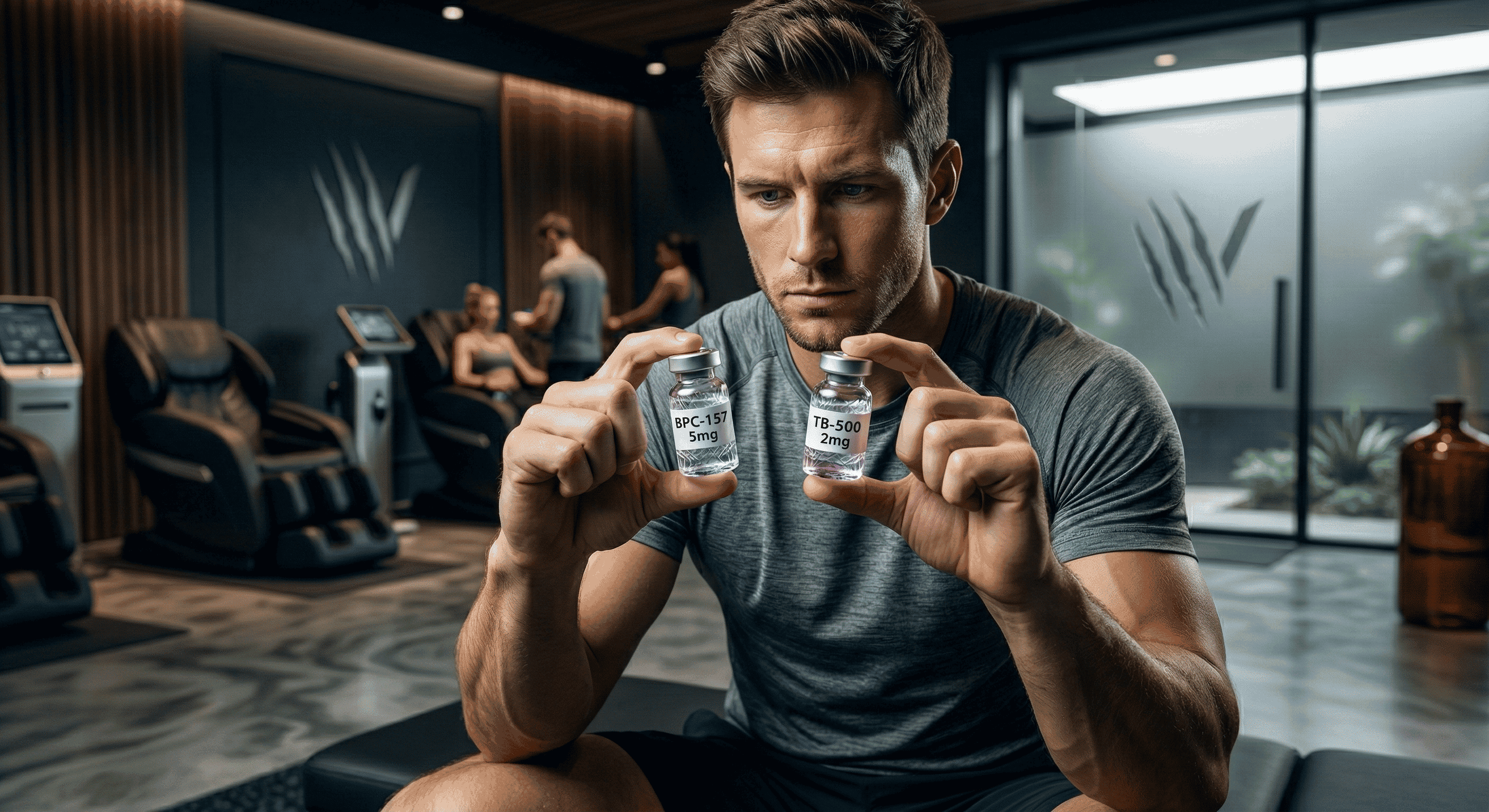
Inspired by the rapid healing ability of a certain comic book character, the Wolverine Stack combines two powerful peptides—BPC-157 and TB-500—designed to support tissue repair, reduce inflammation, and promote faster, more complete recovery from within.
Instead of masking pain, this approach aims to enhance how your body rebuilds itself—helping muscles, tendons, ligaments, and even connective tissues recover more efficiently.
What Is the Wolverine Stack?
The Wolverine Stack is a popular recovery-focused peptide combination that brings together BPC-157 and TB-500—two compounds widely discussed in biohacking, fitness, and regenerative health circles for their potential to support faster healing and tissue repair.
The name “Wolverine” comes from the idea of rapid recovery and resilience, inspired by the comic character known for his near-instant healing ability. While that level of regeneration is fictional, the concept behind this stack is very real: enhancing the body’s natural repair systems at a deeper, cellular level.
How the Wolverine Stack Works in the Body (Simple Explanation)
The Wolverine Stack helps your body heal faster by supporting its natural repair system. Here’s how it works in a simple way:
- Speeds up healing: Helps your body repair injured muscles, tendons, and ligaments faster
- Brings repair cells to the injury: Helps important healing cells reach the damaged area quickly
- Improves blood flow: Increases oxygen and nutrients to injured tissues for better recovery
- Builds stronger tissue: Supports collagen production, which helps rebuild and strengthen tissues
- Reduces inflammation: Helps control swelling and pain without stopping the healing process
- Works from inside the body: Focuses on fixing the root problem, not just hiding the pain
Key Components of the Wolverine Stack
The Wolverine Stack is made ko up of two main peptides that work together to support healing and recovery:
1. BPC-157 (Body Protection Compound-157)
BPC-157 is known for helping with local healing, especially in injured areas.
- Helps repair muscles, tendons, and ligaments
- Supports healing of the gut lining
- Reduces inflammation and pain
- May improve blood flow to injured areas
- Often used near the site of injury
Simple idea: BPC-157 focuses on healing the exact area that is hurt
2. TB-500 (Thymosin Beta-4)
TB-500 works more on the whole body to support overall recovery.
- Helps cells move faster to injury sites
- Supports tissue repair and regeneration
- Promotes new blood vessel growth
- Helps improve flexibility and mobility
- Works across multiple areas of the body
Simple idea: TB-500 supports full-body healing and recovery
Why They Work Better Together
- BPC-157 = targets the injury directly
- TB-500 = supports overall healing in the body
Together, they create a stronger and faster recovery effect
BPC-157 vs TB-500: What’s the Difference?
Both peptides help with healing, but they work in different ways. Here’s a simple comparison:
BPC-157 vs TB-500 (Quick Comparison)
- Focus Area
- BPC-157: Works on a specific injury (local healing)
- TB-500: Works on the whole body (systemic healing)
- Main Function
- BPC-157: Repairs muscles, tendons, ligaments, and gut
- TB-500: Helps cells move and repair tissues faster
- Healing Style
- BPC-157: Direct healing at the injury site
- TB-500: Supports overall recovery everywhere
- Best For
- BPC-157: Targeted injuries (like a torn muscle or tendon)
- TB-500: Multiple injuries or full-body recovery
- How It Works
- BPC-157: Reduces inflammation and helps rebuild tissue
- TB-500: Improves cell movement and blood vessel growth
Why Combine BPC-157 and TB-500?
Using BPC-157 and TB-500 together is called “stacking”—and the reason is simple: they work better as a team.
Here’s how they support each other:
- Faster healing overall
- BPC-157 works on the injured area
- TB-500 supports healing across the whole body
- Better repair at the injury site
- BPC-157 helps rebuild damaged tissue
- TB-500 helps bring repair cells faster to that area
- Improved blood flow
- Both help create new blood vessels
- This means more oxygen and nutrients reach the injury
- Balanced inflammation
- BPC-157 helps reduce swelling and pain
- TB-500 supports smoother healing without stiffness
- Stronger and more complete recovery
- Not just quick healing—but better-quality healing
- May reduce chances of re-injury
Top Benefits of the Wolverine Stack
- Faster healing of muscles, tendons, and ligaments
- Helps reduce pain and swelling
- Supports stronger tissue repair
- Improves recovery after workouts or injuries
- Helps increase mobility and flexibility
- Supports full-body healing (not just one area)
Who Can Benefit from the Wolverine Stack?
- People with muscle, tendon, or joint injuries
- Those recovering from surgery or physical trauma
- Athletes or gym-goers with frequent strain or overuse injuries
- People with chronic pain or slow healing issues
- Older adults needing better recovery and mobility support
- Anyone looking to improve overall recovery and tissue health
Cycling the Wolverine Stack
Cycling means using the stack for a set time, then taking a break.
- Typical cycle:
- Use for 4–8 weeks
- Then take a break (off period)
- Why cycling is important:
- Helps your body reset
- Reduces risk of side effects
- Lets you check results
- Common approach:
- BPC-157 → used daily during the cycle
- TB-500 → used weekly during the cycle
- After the cycle:
- Stop and observe recovery progress
- Restart only if needed (with guidance)
How Long Does It Take to See Results?
- Some people notice changes in 1–2 weeks
- Most results are seen within 3–6 weeks
- Full recovery support may take 6–8 weeks or more
What you may notice first:
- Less pain and swelling
- Better movement and flexibility
- Faster healing of injuries
What affects results:
- Type and severity of the injury
- Your age and overall health
- Diet, rest, and recovery habits
- Consistency in using the stack
Potential Side Effects and Risks
- Injection site reactions (redness, pain, swelling)
- Nausea or mild stomach discomfort
- Headaches or dizziness
- Mild fatigue or low energy
- Risk of infection if not used properly
Can It Replace Surgery or Physical Therapy?
- No, it cannot fully replace them
- Surgery and physical therapy are proven medical treatments
- May support recovery
- Can be used as an additional recovery tool
- May help speed up healing alongside proper treatment
- Depends on the injury
- Minor injuries → may help recovery
- Serious injuries → still need medical care or surgery
- Physical therapy is still important
- Helps restore strength, movement, and function
- Peptides alone cannot replace rehab exercises