How to Lose Fat Effectively Without Starving
Many people believe losing fat means eating as little as possible, skipping meals, or constantly feeling hungry. While extreme dieting may cause short-term weight changes, it is often difficult to maintain and can leave people feeling tired, frustrated, and stuck in an unhealthy cycle.
The reality is that sustainable fat loss usually comes from creating healthier eating habits, improving metabolic balance, and supporting the body with proper nutrition—not starving yourself.
When the body is deprived of enough nutrients or calories for long periods, it may respond by increasing cravings, lowering energy levels, and making it harder to maintain consistent progress. This is one reason why many restrictive diets fail over time.
The good news is that effective fat loss does not always require extreme measures. With the right strategies, many people can reduce body fat while still eating satisfying meals and maintaining better energy throughout the day.
Understanding the Difference Between Fat Loss and Weight Loss
Many people use the terms “fat loss” and “weight loss” interchangeably, but they are not exactly the same.
Weight loss can include:
- Water loss
- Muscle loss
- Fat loss
Fat loss specifically refers to reducing stored body fat while preserving lean muscle mass as much as possible.
This distinction matters because losing muscle can negatively affect metabolism, strength, and long-term weight management.
The goal for many individuals is not simply to weigh less—but to improve body composition in a healthier and more sustainable way.
Why Starvation Diets Often Backfire
Extremely restrictive diets may seem effective initially because they can produce rapid changes on the scale. However, these approaches are often difficult to sustain and may create additional challenges over time.
Increased Hunger and Cravings
When calorie intake becomes too low, hunger hormones may increase, making cravings stronger and overeating more likely later.
Lower Energy Levels
Insufficient nutrition can lead to:
- Fatigue
- Brain fog
- Reduced workout performance
- Mood changes
Low energy may also make it harder to stay physically active.
Muscle Loss
Without enough protein and nutrients, the body may break down muscle tissue for energy. This can slow metabolism and reduce long-term fat-burning efficiency.
Weight Regain
Many people regain lost weight after crash dieting because the habits are difficult to maintain long term.
Sustainable strategies are usually more effective than extreme short-term restrictions.
How Fat Loss Actually Works
Fat loss occurs when the body uses stored fat for energy over time.
This generally happens through a combination of:
- Balanced calorie intake
- Adequate protein
- Physical activity
- Hormonal balance
- Consistent habits
The goal is often to create a manageable calorie deficit without depriving the body of essential nutrients.
What to Eat to Lose Fat Without Feeling Starved
Choosing filling, nutrient-dense foods can make fat loss feel more manageable.
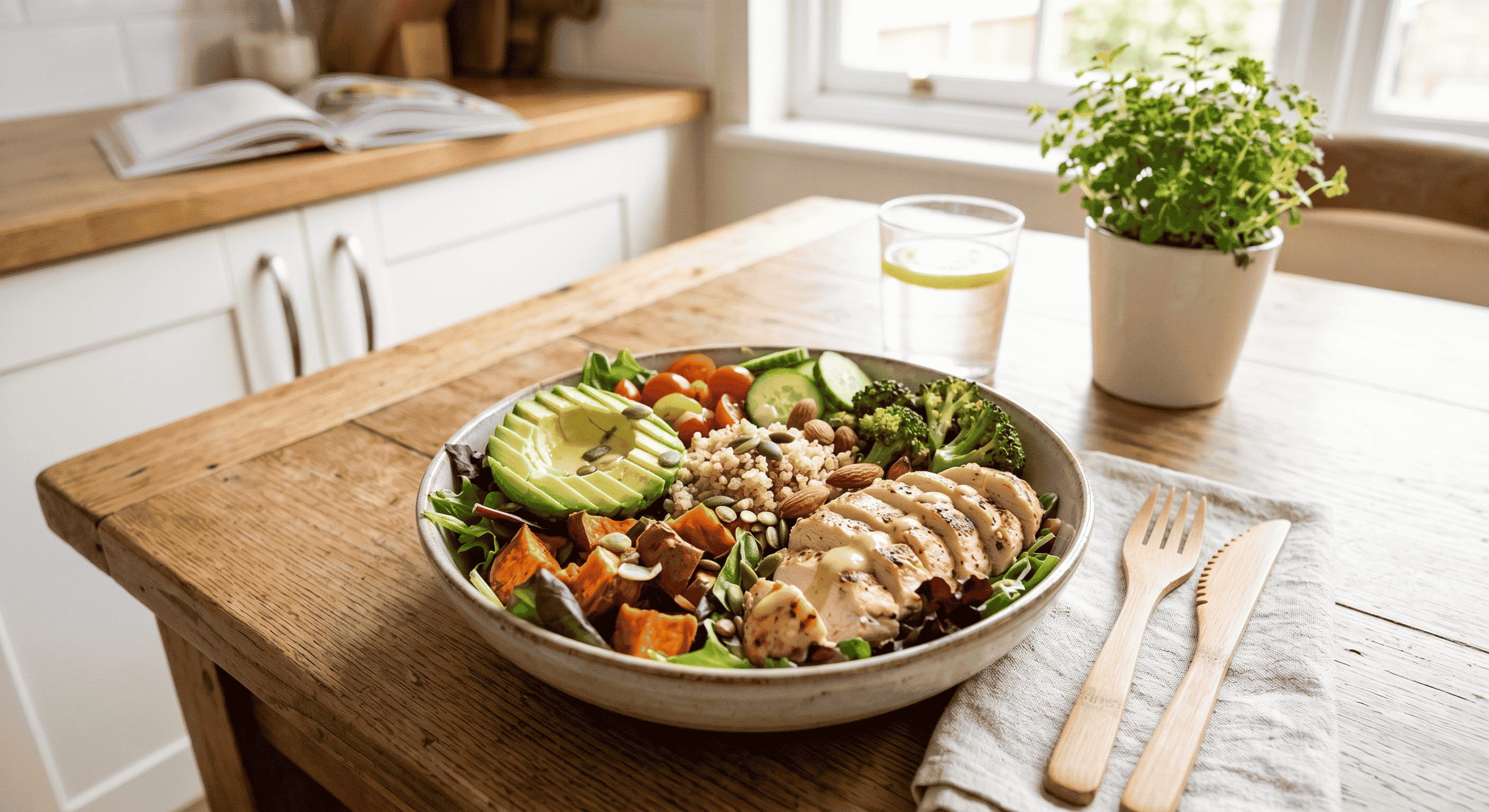
1. Prioritize Protein
Protein helps support muscle maintenance and fullness.
Many people feel more satisfied after high-protein meals compared to meals high in refined carbohydrates alone.
Protein Sources Include
- Eggs
- Chicken
- Fish
- Greek yogurt
- Cottage cheese
- Lentils
- Tofu
- Turkey
Protein may also slightly increase calorie burning during digestion.
2. Eat More Fiber-Rich Foods
Fiber slows digestion and may help reduce overeating.
High-Fiber Foods
- Vegetables
- Oats
- Beans
- Berries
- Apples
- Chia seeds
- Brown rice
Meals containing fiber often keep people full longer.
3. Include Healthy Fats
Healthy fats can improve meal satisfaction and reduce constant snacking.
Examples
- Avocados
- Olive oil
- Nuts
- Seeds
- Fatty fish
Balance is important because fats are calorie-dense.
4. Choose Foods With High Volume and Lower Calories
Certain foods allow you to eat larger portions without consuming excessive calories.
Examples
- Cucumbers
- Lettuce
- Broccoli
- Cauliflower
- Spinach
- Zucchini
These foods may help reduce feelings of restriction during fat loss.
The Role of Meal Timing and Consistency
Many people benefit from eating balanced meals consistently rather than constantly restricting food intake.
This may help:
- Reduce binge eating
- Improve energy levels
- Control cravings
- Support better portion awareness
Some individuals also find that planning meals ahead helps prevent impulsive food choices.
Does Exercise Matter for Fat Loss?
Nutrition plays a major role in fat loss, but movement can still provide important benefits.
Strength Training
Strength training may help:
- Preserve muscle mass
- Improve metabolism
- Support body composition
Maintaining muscle is important during fat loss.
Cardio and Daily Movement
Walking, cycling, swimming, and other forms of movement may help increase calorie expenditure and improve cardiovascular health.
Even moderate daily movement can contribute to long-term consistency.
The Importance of Sleep and Stress Management
Sleep and stress can significantly affect appetite, cravings, and metabolism.
Poor sleep may influence hormones related to hunger and fullness, sometimes leading to increased snacking and emotional eating.
Chronic stress may also affect eating behaviors and energy levels.
Improving recovery, stress management, and sleep quality can support healthier fat loss habits.
Common Mistakes That Can Slow Fat Loss
Skipping Meals
Skipping meals may increase hunger later in the day and contribute to overeating.
Eating Too Little
Extremely low-calorie diets can reduce energy levels and make long-term consistency difficult.
Drinking Excess Calories
Sugary beverages and high-calorie drinks can increase intake without improving fullness.
Ignoring Protein Intake
Low protein intake may increase hunger and contribute to muscle loss during dieting.
Expecting Instant Results
Sustainable fat loss usually takes time and consistency.
Short-term fluctuations on the scale are normal.
Can Medical Factors Affect Fat Loss?
For some individuals, fat loss may feel more difficult due to underlying metabolic or hormonal factors.
Examples may include:
- Insulin resistance
- Hormonal imbalances
- Appetite regulation issues
- Certain medications
- Chronic stress
This is why some people benefit from professional evaluation and medically supervised support.
Medical Weight Loss Approaches
Modern weight management programs often focus on personalized, physician-guided strategies rather than extreme dieting.
Depending on the individual, support may include:
- Nutritional counseling
- Lifestyle coaching
- Metabolic evaluations
- Structured wellness plans
- GLP-1 therapies under medical supervision
These approaches aim to improve long-term sustainability while supporting overall health.
Who May Benefit From Professional Guidance?
You may benefit from additional support if you:
- Constantly feel hungry while dieting
- Regain weight repeatedly
- Struggle with cravings or emotional eating
- Have metabolic concerns
- Feel stuck despite consistent effort
A structured plan may help improve long-term consistency and understanding.