Natural Remedies for Anxiety You Can Try at Home
Anxiety can affect both the mind and body in ways that make everyday life feel overwhelming. For some people, it may appear as constant worry or racing thoughts. Others may experience physical symptoms such as restlessness, tension, fatigue, rapid heartbeat, difficulty sleeping, or trouble concentrating.
While occasional stress is a normal part of life, ongoing anxiety can begin to interfere with daily routines, relationships, work, and overall well-being.
Many individuals explore natural ways to help manage anxiety symptoms at home, especially alongside healthier lifestyle habits and professional support when needed. Although natural remedies are not a replacement for medical care in severe cases, some approaches may help promote relaxation, emotional balance, and stress reduction over time.
Understanding which habits and techniques may support mental wellness can help individuals create a more balanced and sustainable approach to managing anxiety.
Understanding Anxiety and Stress Responses
Anxiety is closely connected to the body’s stress response system.
When the brain perceives stress or danger, the body releases hormones such as adrenaline and cortisol. These chemicals prepare the body for a “fight or flight” response.
Short-term stress responses can be helpful in certain situations. However, chronic stress and persistent anxiety may affect:
- Sleep quality
- Mood
- Concentration
- Appetite
- Energy levels
- Physical tension
This is one reason many anxiety management strategies focus on calming both the mind and body.
Natural Remedies That May Help Support Anxiety Relief
Different strategies work differently for each person. In many cases, combining multiple healthy habits may provide better long-term support than relying on a single method alone.
1. Deep Breathing Exercises
Breathing exercises are one of the simplest ways to help calm the nervous system.
During anxiety, breathing often becomes shallow and rapid, which may increase physical tension and feelings of panic.
Slow breathing techniques may help:
- Reduce heart rate
- Improve relaxation
- Lower physical tension
- Improve focus
Simple Breathing Technique
Try:
- Inhale slowly for 4 seconds
- Hold for 4 seconds
- Exhale slowly for 6 seconds
Repeating this for several minutes may help create a calming effect.
2. Regular Physical Activity
Exercise may help reduce stress hormones while supporting mood and emotional regulation.
Physical activity may also encourage the release of endorphins, which are natural chemicals associated with improved mood and relaxation.
Helpful Activities Include
- Walking
- Yoga
- Stretching
- Swimming
- Cycling
- Light strength training
Even moderate movement may help support stress management over time.
3. Improving Sleep Habits
Poor sleep and anxiety often affect each other.
Anxiety may make it difficult to fall asleep, while inadequate sleep can increase emotional stress and irritability.
Sleep Habits That May Help
- Maintaining a consistent bedtime
- Limiting screen exposure before bed
- Reducing caffeine late in the day
- Creating a calm sleep environment
Improving sleep quality may help support emotional balance and stress resilience.
4. Limiting Caffeine and Stimulants
Caffeine affects the nervous system and may worsen anxiety symptoms for some individuals.
Excess caffeine intake may contribute to:
- Rapid heartbeat
- Restlessness
- Jitteriness
- Sleep disruption
Reducing intake gradually may help some people feel calmer and more balanced.
5. Mindfulness and Meditation
Mindfulness practices focus on staying present rather than becoming overwhelmed by future worries or racing thoughts.
Meditation and mindfulness techniques may help:
- Improve emotional awareness
- Reduce stress reactivity
- Promote relaxation
- Improve concentration
Even a few minutes daily may support long-term stress management habits.
6. Spending Time Outdoors
Nature exposure may help reduce mental fatigue and stress for some individuals.
Activities such as:
- Walking outside
- Gardening
- Sitting in sunlight
- Visiting parks
may help support relaxation and emotional well-being.
Sunlight exposure may also help support sleep-wake cycles and mood regulation.
7. Reducing Constant Stimulation
Constant notifications, excessive social media use, and nonstop mental stimulation may contribute to feelings of overwhelm.
Creating small periods of quiet or reduced screen time may help support mental clarity and relaxation.
Examples include:
- Turning off notifications
- Taking short breaks from social media
- Practicing quiet time before bed
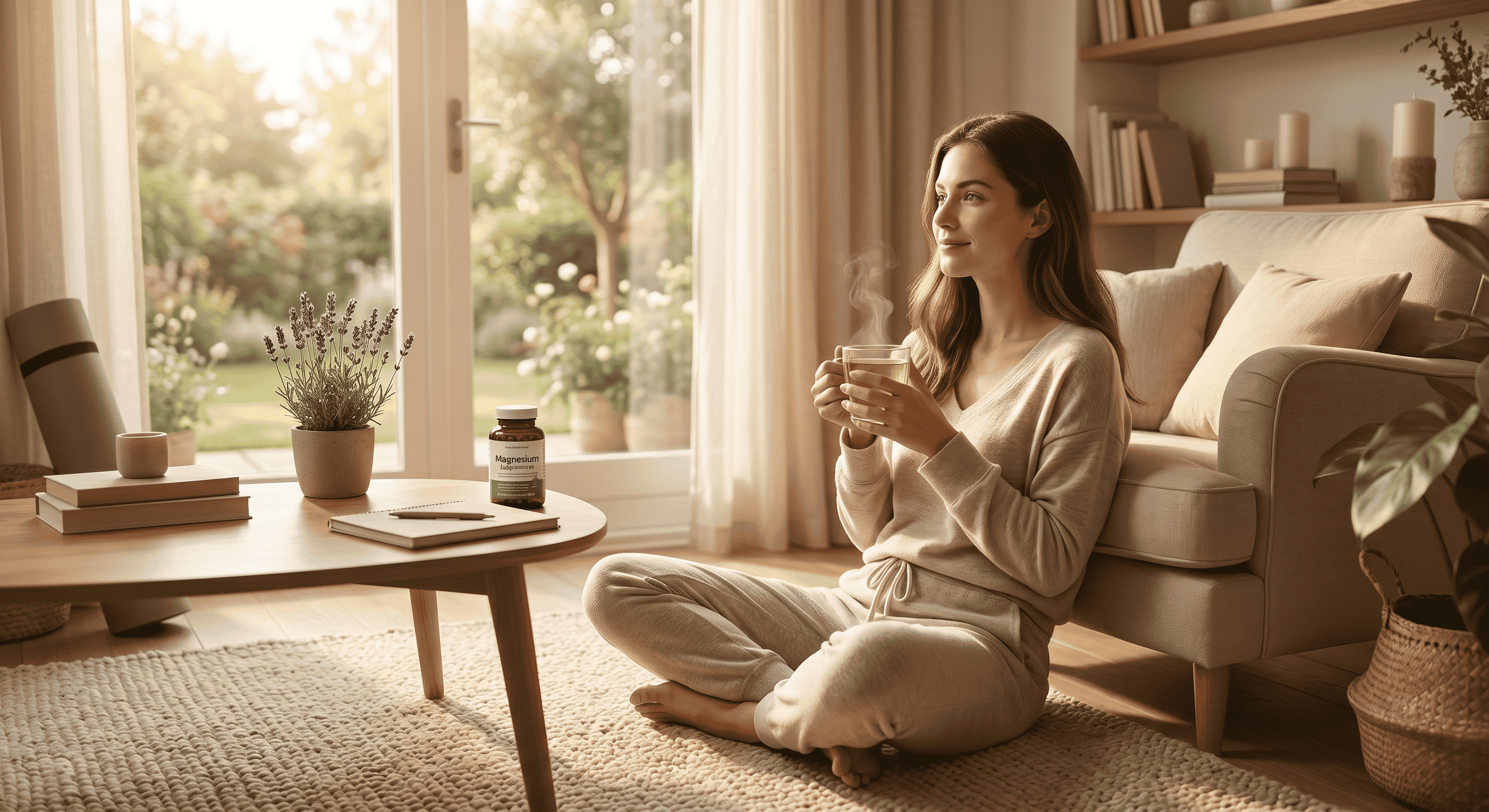
8. Herbal Teas and Natural Supplements
Some individuals explore herbal products for relaxation support.
Common examples include:
- Chamomile tea
- Lavender
- Lemon balm
- Magnesium supplements
However, supplements and herbal products may interact with medications or health conditions.
It is important to speak with a healthcare provider before starting new supplements, especially for individuals with medical conditions or those taking prescription medications.
9. Journaling and Emotional Processing
Writing thoughts down may help reduce mental overload and improve emotional awareness.
Journaling may help some individuals:
- Process stress
- Identify triggers
- Organize thoughts
- Reduce emotional buildup
This can be especially useful during periods of chronic stress or overthinking.
10. Social Support and Connection
Isolation may worsen anxiety symptoms for some people.
Talking with trusted friends, family members, support groups, or mental health professionals may help reduce feelings of overwhelm and emotional stress.
Healthy social connection plays an important role in emotional wellness.
Foods That May Support Mental Wellness
Nutrition can also influence mood, energy, and stress responses.
Some foods associated with balanced energy and overall wellness include:
- Fatty fish
- Nuts and seeds
- Leafy greens
- Whole grains
- Berries
- Protein-rich foods
Balanced meals may help support stable blood sugar levels, which can influence mood and energy throughout the day.
Habits That May Worsen Anxiety
Certain lifestyle habits may increase stress and anxiety symptoms over time.
Examples include:
- Excess alcohol use
- Poor sleep
- Chronic stress
- High caffeine intake
- Lack of movement
- Constant overstimulation
Identifying personal triggers may help individuals better manage symptoms.
When Should You Seek Professional Help?
Natural remedies may help support mild or occasional anxiety. However, professional care may be important if anxiety:
- Interferes with daily life
- Causes panic attacks
- Affects sleep consistently
- Impacts work or relationships
- Feels difficult to control
Mental health conditions can vary significantly from person to person.
A healthcare provider can help evaluate symptoms and discuss appropriate treatment options based on individual needs.
Modern Approaches to Anxiety Support
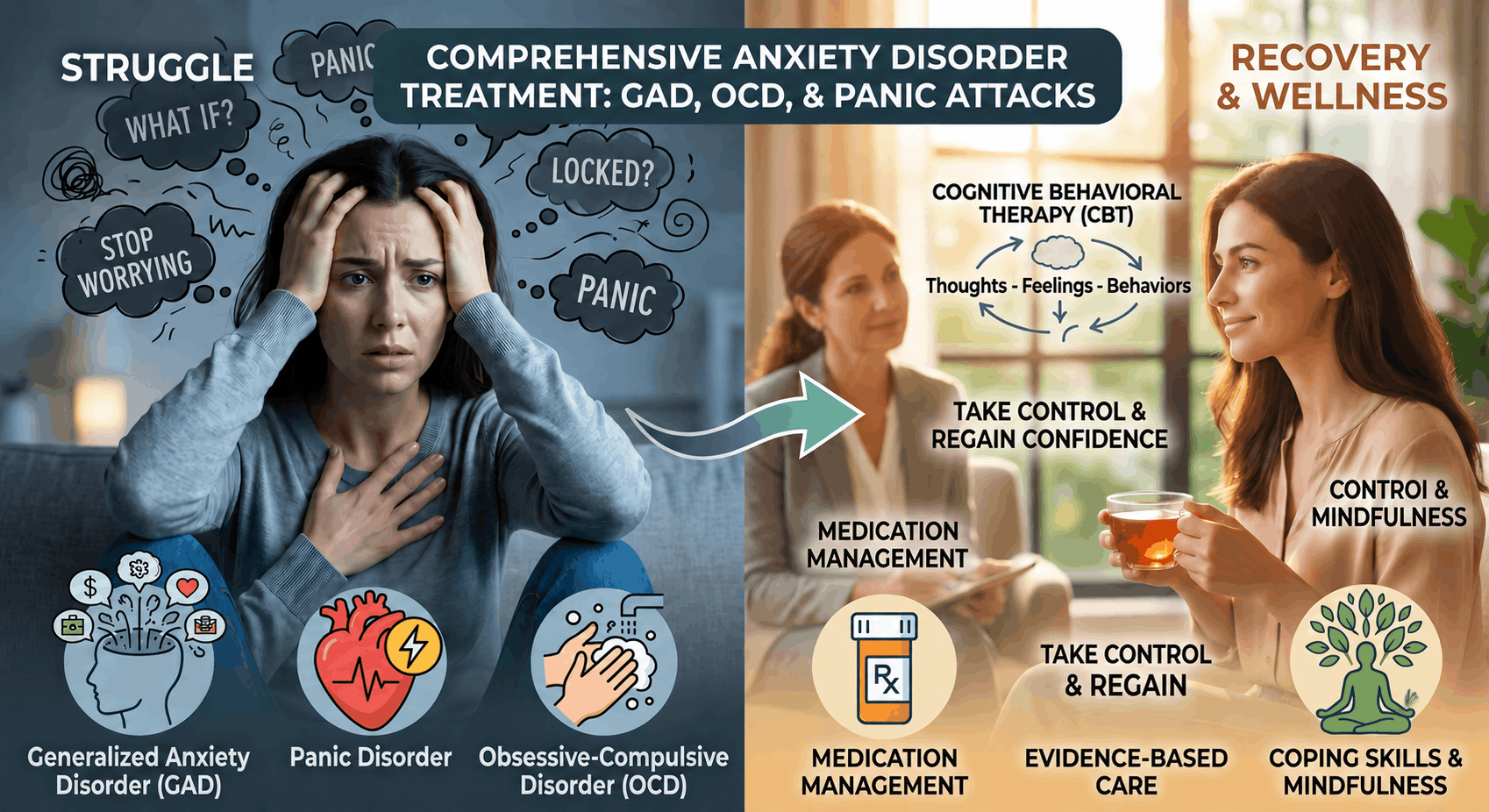
Today’s mental wellness approaches often combine multiple strategies, including:
- Lifestyle modifications
- Therapy or counseling
- Stress management techniques
- Nutritional support
- Physician-guided treatments when appropriate
Personalized care plans may help address both emotional and physical factors contributing to anxiety.