
What to Eat If You Want to Lose Weight Quickly
Losing weight can feel frustrating—especially when you’re eating less, trying different diets, and still not seeing consistent results. Many people assume weight loss is only about cutting calories, but what you eat matters just as much as how much you eat.
Some foods naturally help control hunger, stabilize blood sugar, support metabolism, and reduce overeating. Others may leave you feeling hungry, tired, and more likely to crave unhealthy snacks later in the day.
The good news is that sustainable weight loss doesn’t always require extreme dieting or starving yourself. In many cases, choosing the right foods can help your body work more efficiently while making it easier to maintain a calorie deficit naturally.
Understanding which foods support fat loss—and which eating habits may slow progress—can make weight management feel more realistic and sustainable over time.
How Food Affects Weight Loss
Your body uses food for energy, hormone regulation, metabolism, and recovery. Different foods affect these systems differently.
Some meals digest slowly and help you stay full longer. Others cause rapid blood sugar spikes followed by crashes that increase hunger and cravings.
When trying to lose weight quickly and safely, the goal is often to focus on foods that may help:
- Reduce hunger and cravings
- Increase fullness after meals
- Support stable energy levels
- Preserve muscle while losing fat
- Improve metabolic efficiency
This is why balanced nutrition is usually more effective than highly restrictive crash diets.
The Best Foods for Fast and Sustainable Weight Loss
1. High-Protein Foods
Protein is one of the most important nutrients for weight loss.
It helps you feel full longer, supports muscle maintenance, and may slightly increase the number of calories your body burns during digestion.
Good Protein Sources
- Eggs
- Chicken breast
- Turkey
- Fish
- Greek yogurt
- Cottage cheese
- Tofu
- Lentils
- Beans
Many people notice reduced snacking and fewer cravings when protein intake is increased appropriately.
2. Fiber-Rich Foods
Fiber slows digestion and helps create a feeling of fullness after eating.
High-fiber foods can also support digestion and help regulate blood sugar levels, which may reduce overeating throughout the day.
Foods High in Fiber
- Oats
- Vegetables
- Berries
- Apples
- Chia seeds
- Flaxseeds
- Beans
- Brown rice
- Sweet potatoes
Whole foods with natural fiber are generally more filling than highly processed snacks.
3. Vegetables with Low Calorie Density
Non-starchy vegetables allow you to eat larger portions while consuming fewer calories.
This can make weight loss feel less restrictive and easier to maintain.
Examples Include
- Spinach
- Broccoli
- Cauliflower
- Cucumbers
- Lettuce
- Zucchini
- Bell peppers
- Cabbage
Vegetables also provide vitamins, minerals, and antioxidants that support overall health.
4. Healthy Fats in Moderation
Not all fats are unhealthy. In fact, healthy fats may help improve satisfaction after meals and reduce constant hunger.
The key is portion control.
Healthy Fat Sources
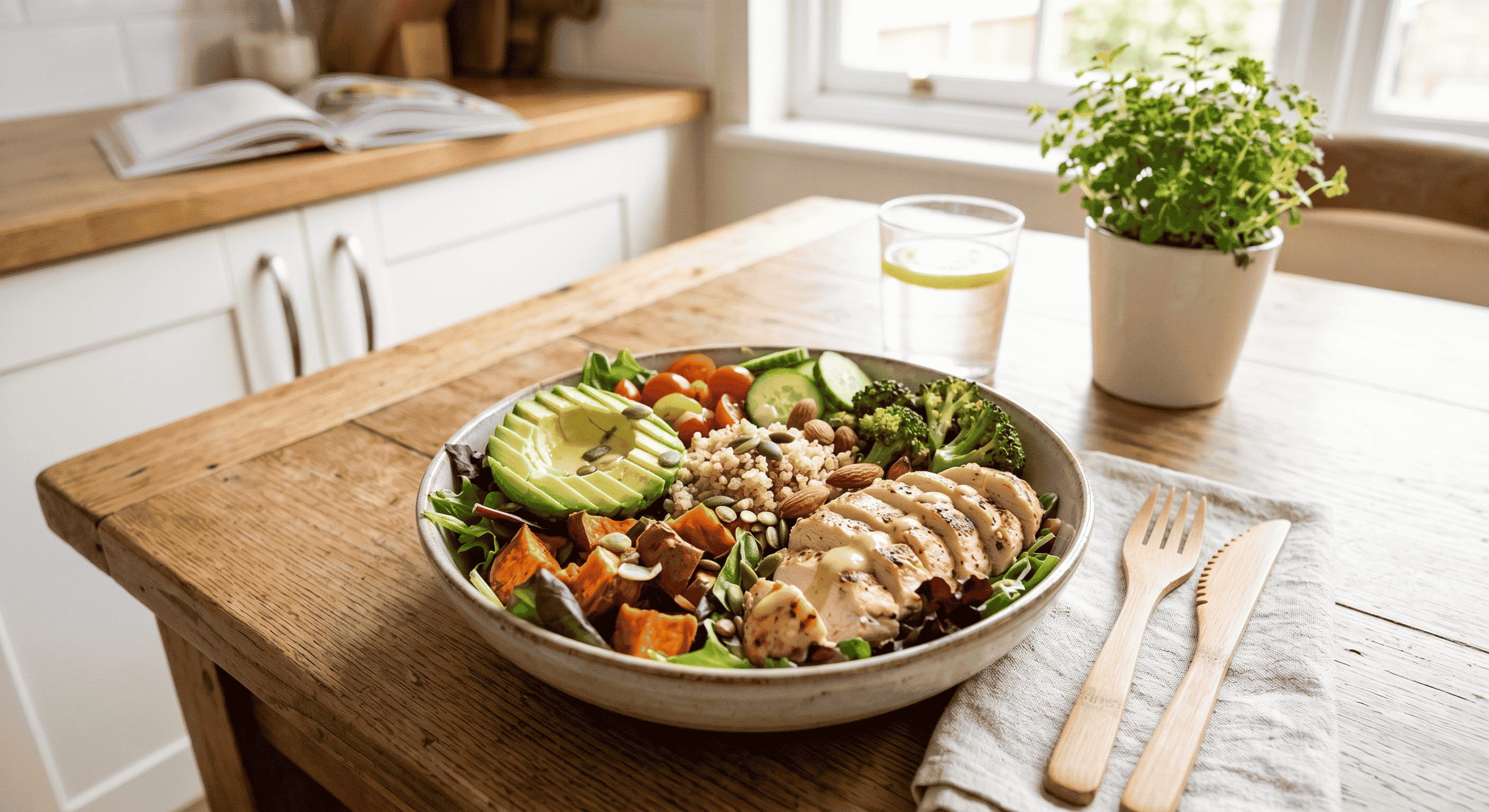
- Avocados
- Nuts
- Seeds
- Olive oil
- Fatty fish
- Natural nut butters
Because fats are calorie-dense, balance is important when including them in a weight loss plan.
5. Foods That Help Control Cravings
Some foods may help reduce the urge to snack excessively or emotionally eat.
Balanced meals containing protein, fiber, and healthy fats often help stabilize appetite more effectively than sugary or highly processed foods.
Helpful Options
- Greek yogurt with berries
- Apple slices with peanut butter
- Hard-boiled eggs
- Protein smoothies
- Roasted chickpeas
Choosing satisfying snacks may prevent overeating later in the day.
What Foods Should You Avoid for Faster Weight Loss?
Certain foods can make weight loss more difficult by increasing hunger, cravings, or calorie intake without providing much fullness.
Highly Processed Foods
Examples include:
- Chips
- Fast food
- Sugary cereals
- Candy
- Pastries
These foods are often high in calories while being low in protein and fiber.
Sugary Drinks
Liquid calories add up quickly and may not make you feel full.
Examples include:
- Soda
- Sweetened coffee drinks
- Energy drinks
- Sugary juices
Replacing sugary beverages with water or lower-calorie options may support weight management.
Excess Refined Carbohydrates
Highly refined carbs digest quickly and can increase blood sugar fluctuations.
Examples include:
- White bread
- White pasta
- Sugary baked goods
Whole-grain and fiber-rich alternatives are often more filling and supportive of stable energy.
The Importance of Meal Timing and Portion Control
Even healthy foods can contribute to weight gain if portions are too large.
Some people benefit from:
- Eating balanced meals consistently
- Avoiding late-night overeating
- Reducing emotional eating triggers
- Planning meals ahead of time
Creating a sustainable routine is usually more effective than following short-term restrictive diets.
Does Drinking Water Help With Weight Loss?
Hydration plays a bigger role in weight management than many people realize.
Sometimes thirst is mistaken for hunger, which may lead to unnecessary snacking.
Drinking enough water may help:
- Support digestion
- Improve fullness before meals
- Maintain energy levels
- Reduce sugary beverage intake
Many healthcare professionals recommend prioritizing water throughout the day as part of a healthy lifestyle.
Can Certain Diets Help You Lose Weight Faster?
There is no single “perfect” diet for everyone.
Different approaches work better for different people depending on lifestyle, metabolism, medical history, and eating habits.
Some commonly used approaches include:
High-Protein Diets
Focus on increasing fullness and muscle preservation.
Mediterranean-Style Eating
Emphasizes whole foods, healthy fats, vegetables, and lean proteins.
Lower-Carbohydrate Approaches
May help some individuals reduce appetite and stabilize blood sugar.
Calorie-Controlled Plans
Focus on maintaining a sustainable calorie deficit.
The most effective plan is usually one that can be maintained consistently and safely.
Medical Weight Loss Support
For some individuals, diet and exercise alone may not produce the desired results—especially when hormonal, metabolic, or appetite-related challenges are involved.
This is why medically supervised weight loss programs are becoming more common.
Healthcare providers may evaluate factors such as:
- Metabolism
- Eating behaviors
- Hormonal balance
- Medical history
- Lifestyle habits
Some patients may also explore physician-guided weight management options, including GLP-1 therapies, nutritional counseling, or structured wellness plans.
Medical supervision helps ensure that weight loss strategies remain safe, realistic, and personalized.
Common Mistakes That Can Slow Weight Loss
Skipping Meals
Skipping meals may increase hunger later and lead to overeating.
Eating Too Little
Extremely low-calorie diets can sometimes slow metabolism and reduce energy levels.
Relying on “Diet” Foods
Many marketed diet foods are still highly processed and may not improve fullness.
Ignoring Sleep and Stress
Poor sleep and chronic stress can affect hunger hormones and cravings.
Weight management often works best when nutrition, movement, sleep, and stress management are addressed together.
Who May Benefit From Professional Guidance?
You may benefit from medical or nutritional support if you:
- Struggle to lose weight despite diet and exercise
- Experience constant cravings or overeating
- Have metabolic concerns
- Regain weight repeatedly
- Want a structured, sustainable approach
A personalized plan may help improve long-term consistency and results.